
The Best Fluffy Pancakes recipe you will fall in love with. Full of tips and tricks to help you make the best pancakes.
King Whetstone. Sharpen Your Own Knives, Start Here
Two-sided stones with a coarse side to sharpen and a fine side to finish. Made in Japan, simple to learn.
Best Sellers
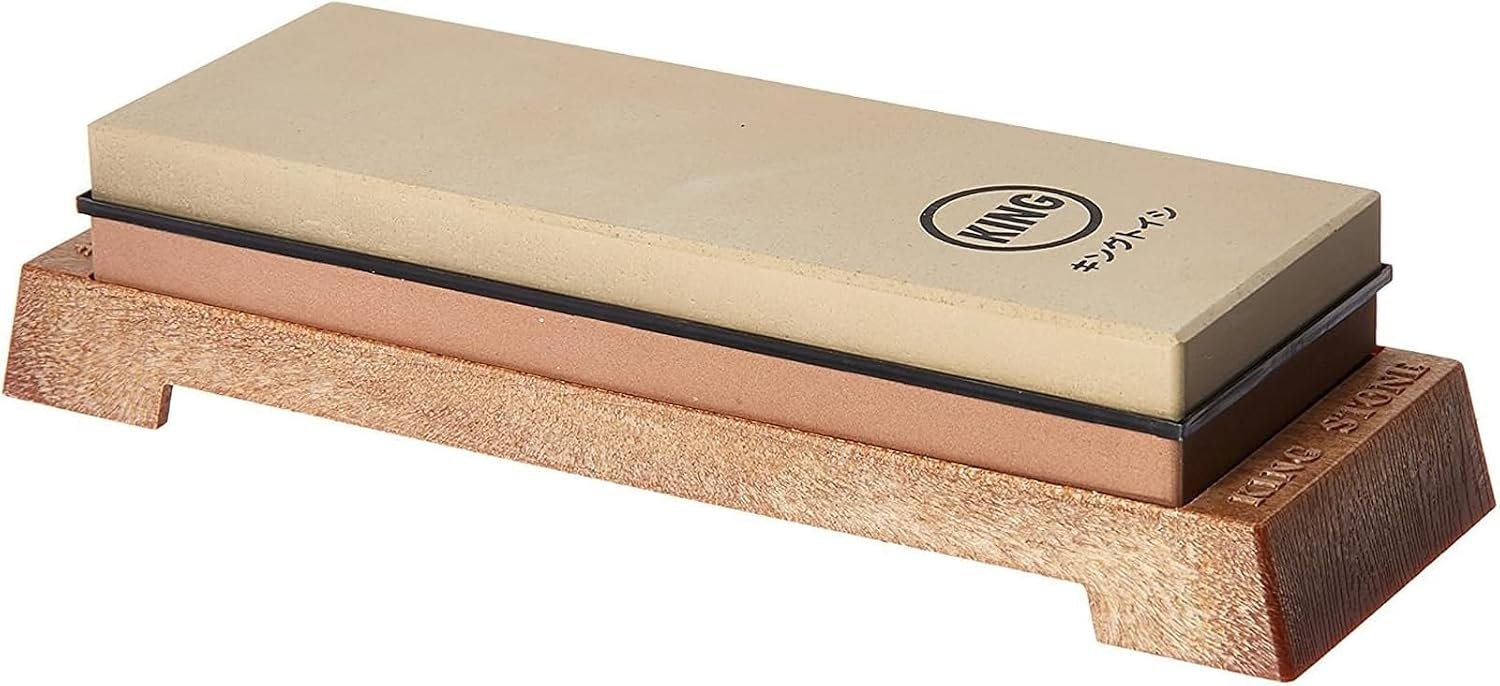
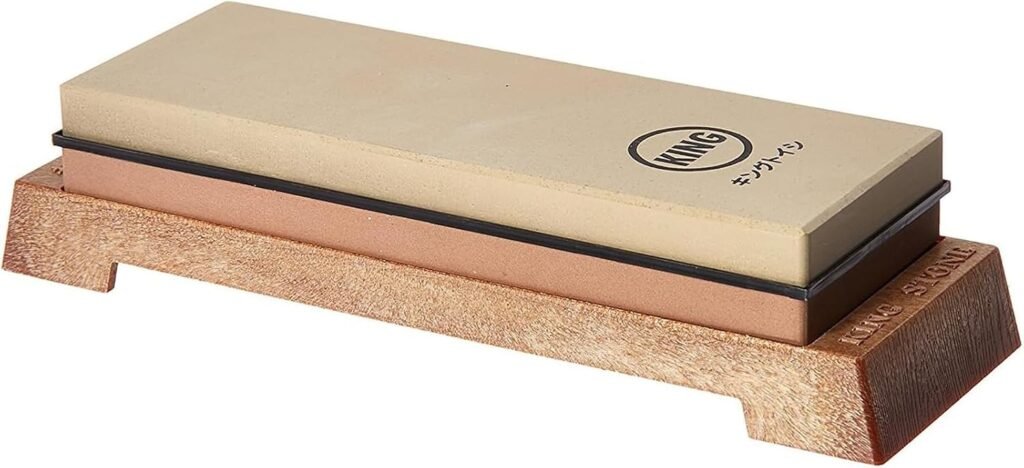
Combination Whetstone with Plastic Base
The King brand is known for its quality and affordability and features a sturdy plastic base. It measures 8″ x 2 1/2″ x 1″ thick.
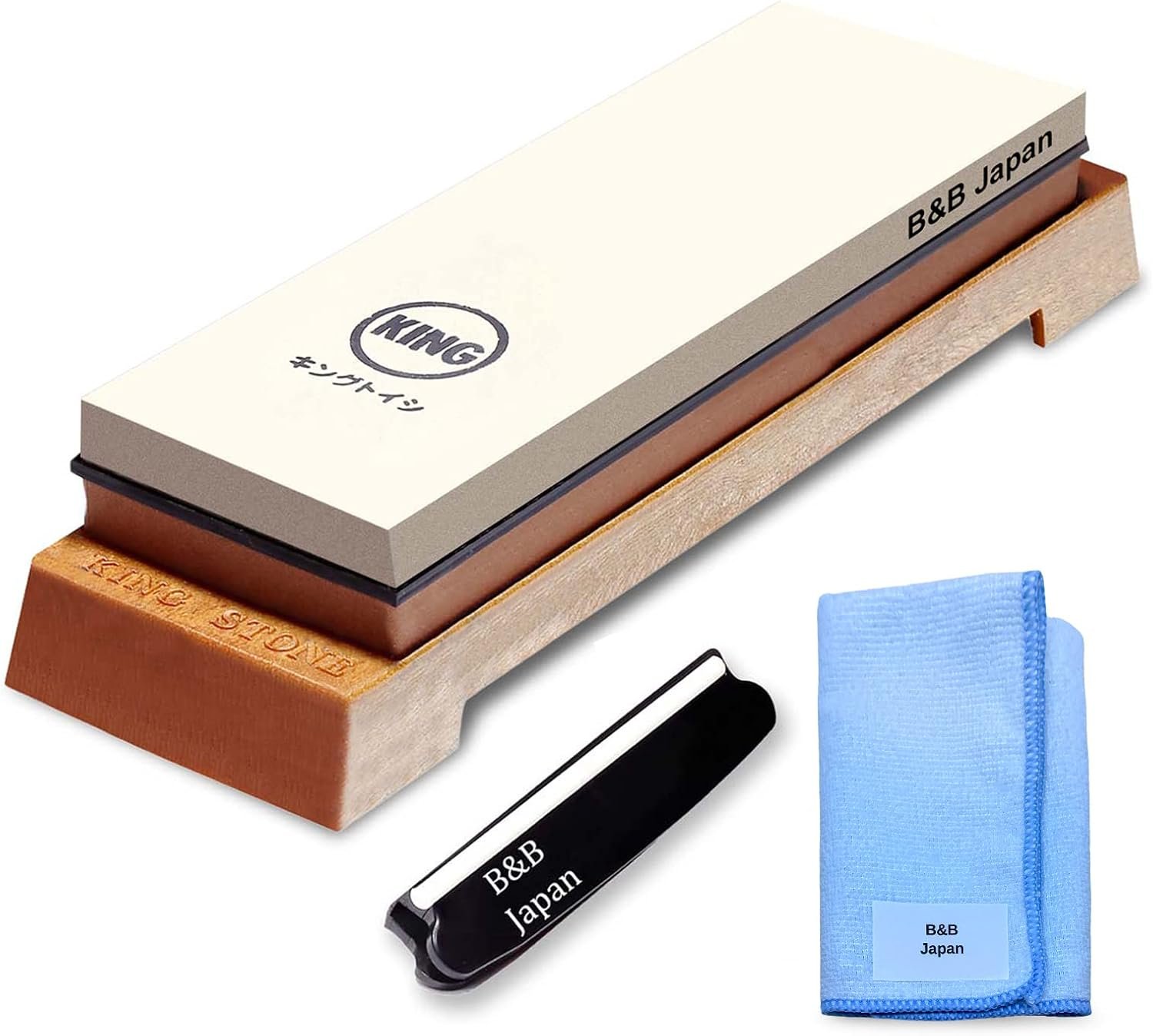
Whetstone Starter Set Include 1000/6000 Grit
The Knife Sharpener comes with an angle holder set, making the sharpening process quick, easy, and precise.
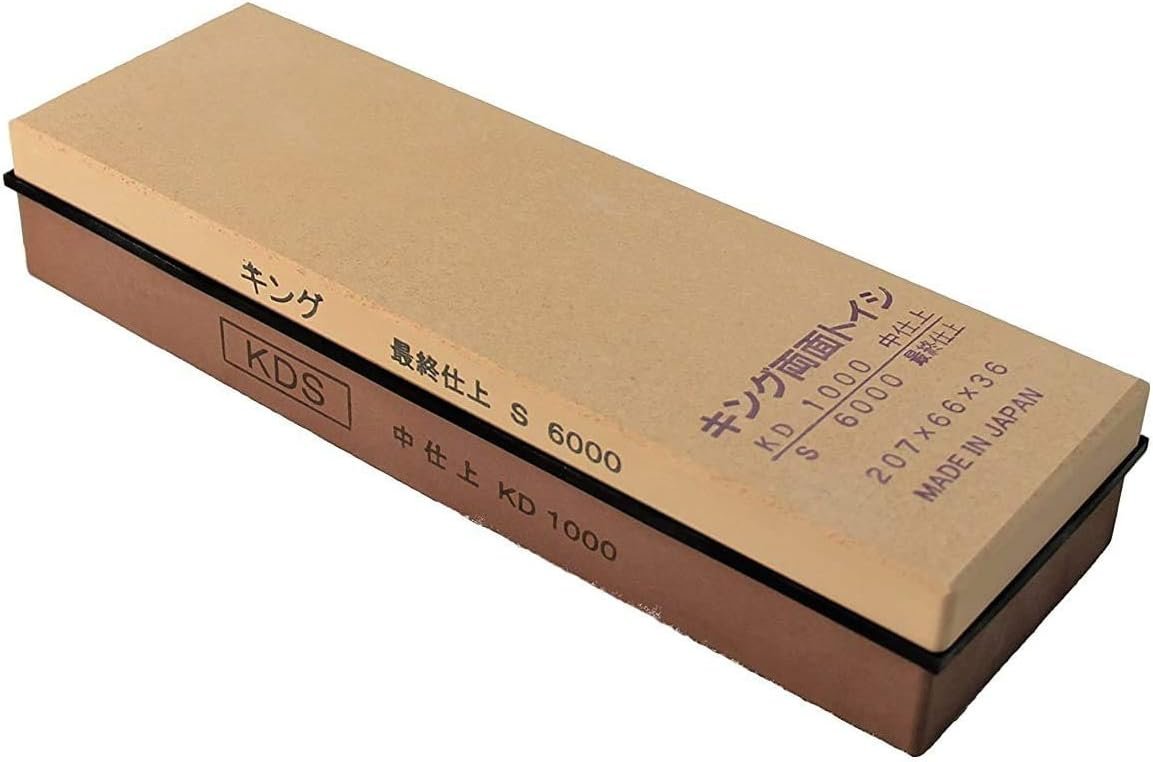
Whetstone 1000/6000 Grit, Double-Sided (Stone Only)
With both 1000 and 6000 grit, this large sharpening stone can handle most sharpening jobs while its area makes faster.
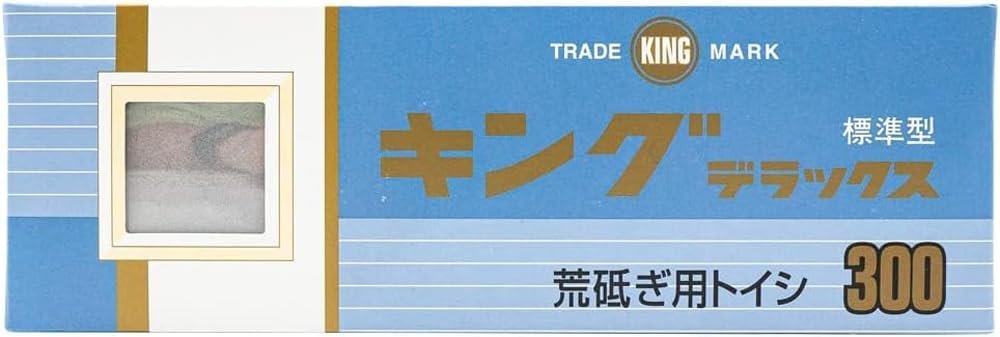
Non-Absorbent Whetstone Grit Size
This product is baked using special technology with an ultra-fine abrasive material designed to deliver a finish.
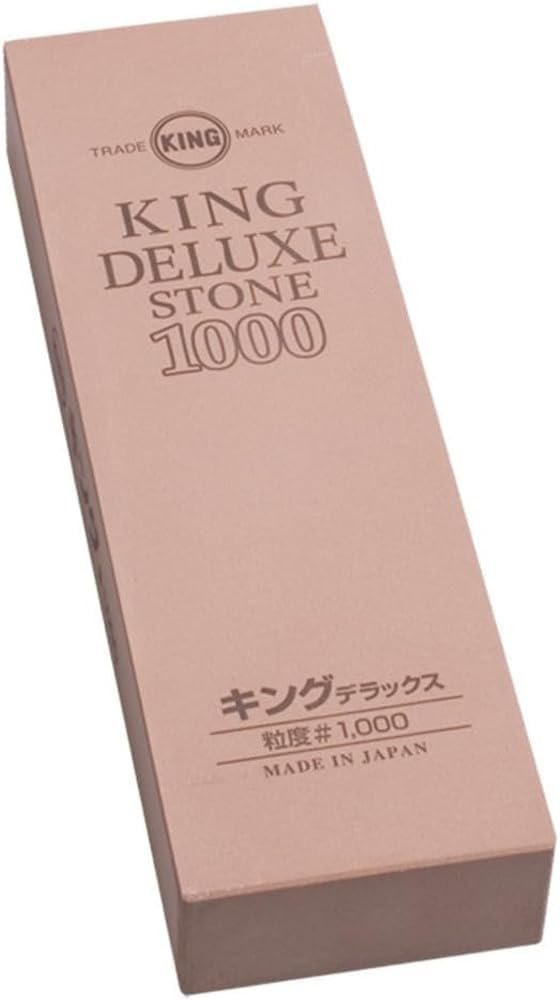
Grain Sharpening Stone, #1000, Medium
This retail-packaged product from Japan comes with 24 sheets in 12 vibrant colors, offering a versatile selection.
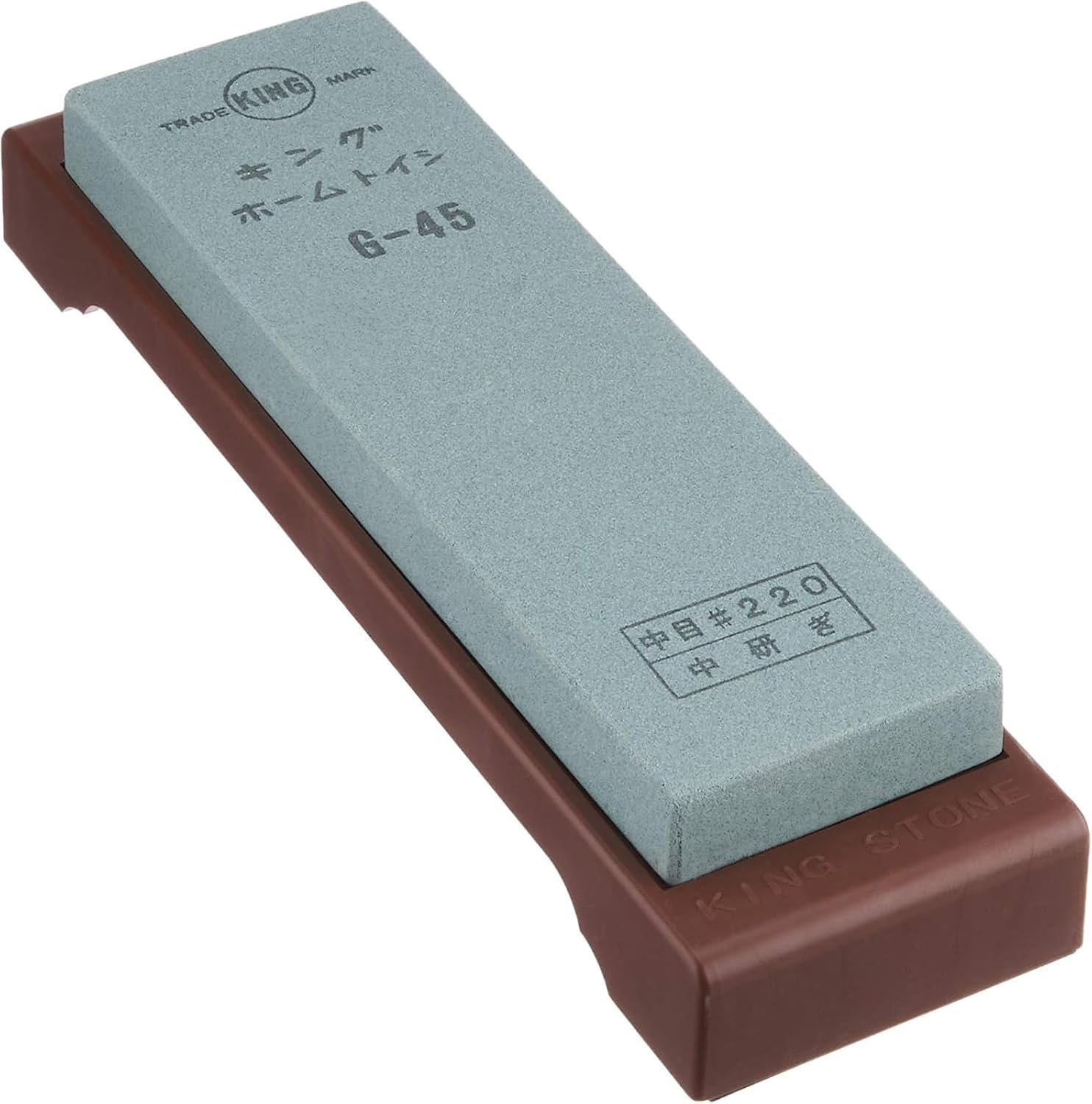
Japanese King Knife Sharpener Whetstone Grit
Suitable for sharpening both carbon and stainless steel knives, as well as a variety of blades, chisels, tools.
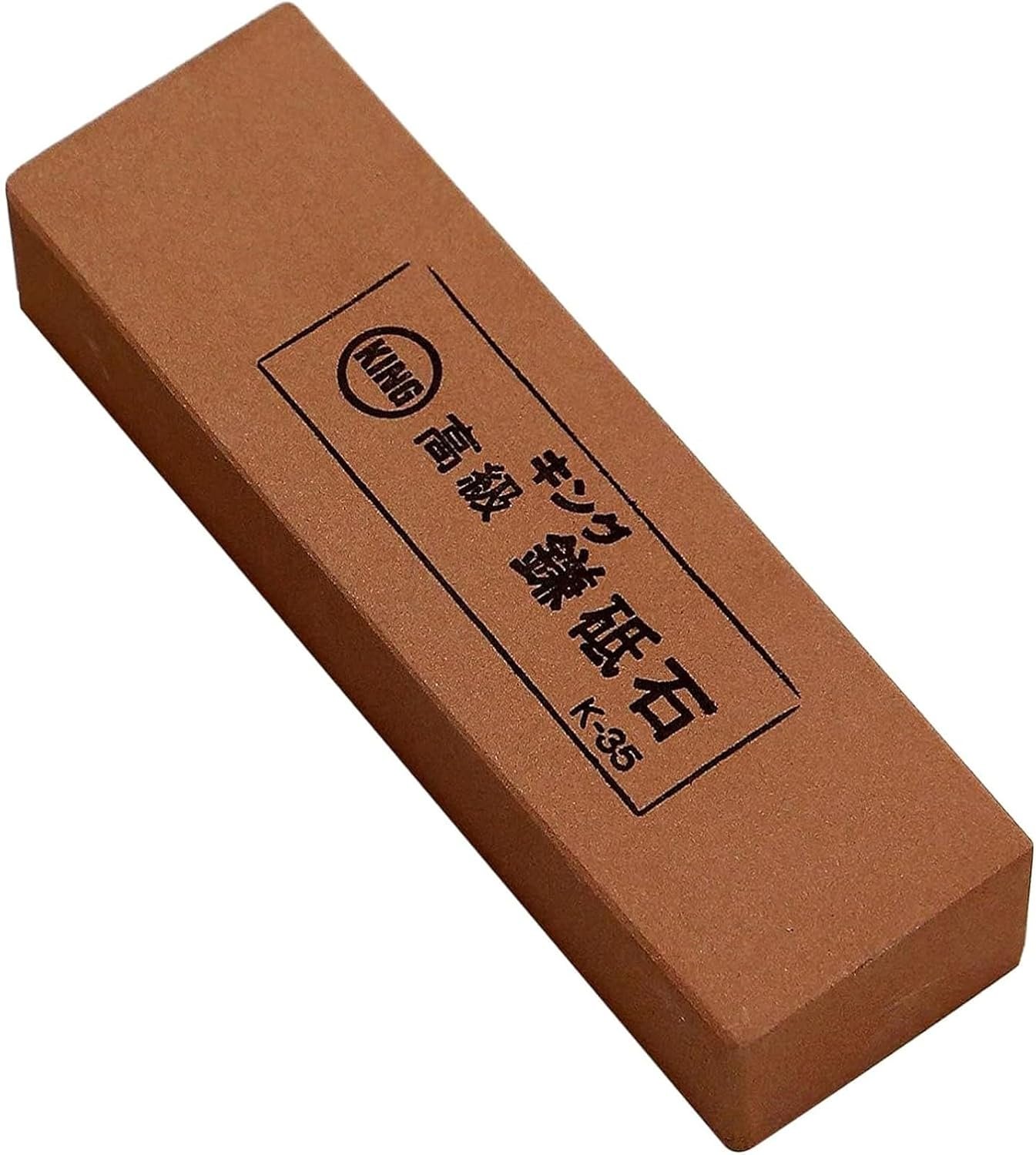
Toishi Sharpening Whetstone Japanese
Made with a special abrasive material whetstone and a durable plastic base, this sharpening stone.
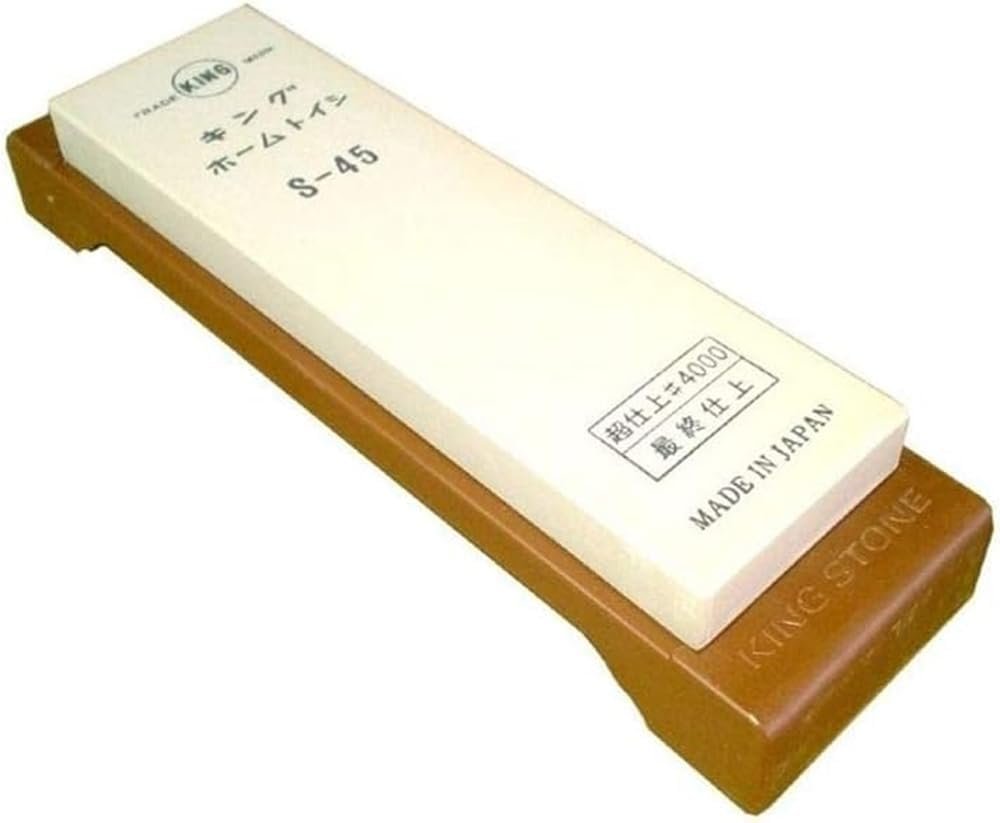
Sharpening Stone 4000 Grit Plastic Base
The KING sharpening stone features a 4000-grit surface designed for fine sharpening and polishing of blades.
Stay Sharp
News and announcements arrive in the inbox, with no dull moments in between.
Categories of Whetstones
Dull Is a Choice
King Whetstone makes sharpening stones for people who are tired of cutting with a knife that used to be good. That’s the whole business. No knife blocks, no gadgets, no “system” with a subscription. Just stones, flattened and graded honestly, that put an edge back on a blade you already own.
We started because most sharpening gear is sold like it’s a personal transformation, and it’s really a piece of abrasive on a block. Grit numbers get inflated, stones dish out after a month, and nobody mentions that you have to flatten them. So we test ours the boring way: on kitchen knives, chisels, and pocket blades, until a stone either holds its shape and cuts clean or gets tossed. We keep the range small, the grits clearly labeled, and the price somewhere between a throwaway stone and one that costs more than the knife.
If you already know a good edge is mostly patience and a flat stone, we’re aimed at you. If you don’t, we’ll tell you what you need and, more often than you’d expect, what you don’t. The stones stay in the lineup and get restocked, not dropped, so the one you buy this year will still be there when you need its coarser or finer sibling. Buy it once, keep it flat, and your knives will stop being the problem.
Edge Restored, One Stroke at a Time

“I sharpen at the bench most evenings and the 6000 side leaves a finish that’s smooth, not scratchy. It builds slurry quickly, so I’m not fighting the stone for a burr.”
Hiroshi A.

“My grandfather’s hunting knife was dull and chipped. The coarse stone took out the damage in a couple of sessions, and I didn’t have to remove much steel.”
Colleen M.

“Soak for ten minutes, sharpen, rinse, done. It’s stayed flat through a year of weekly use, and the little flattening stone keeps it that way.”
Marcus B.
Tools for Every Cutting Task
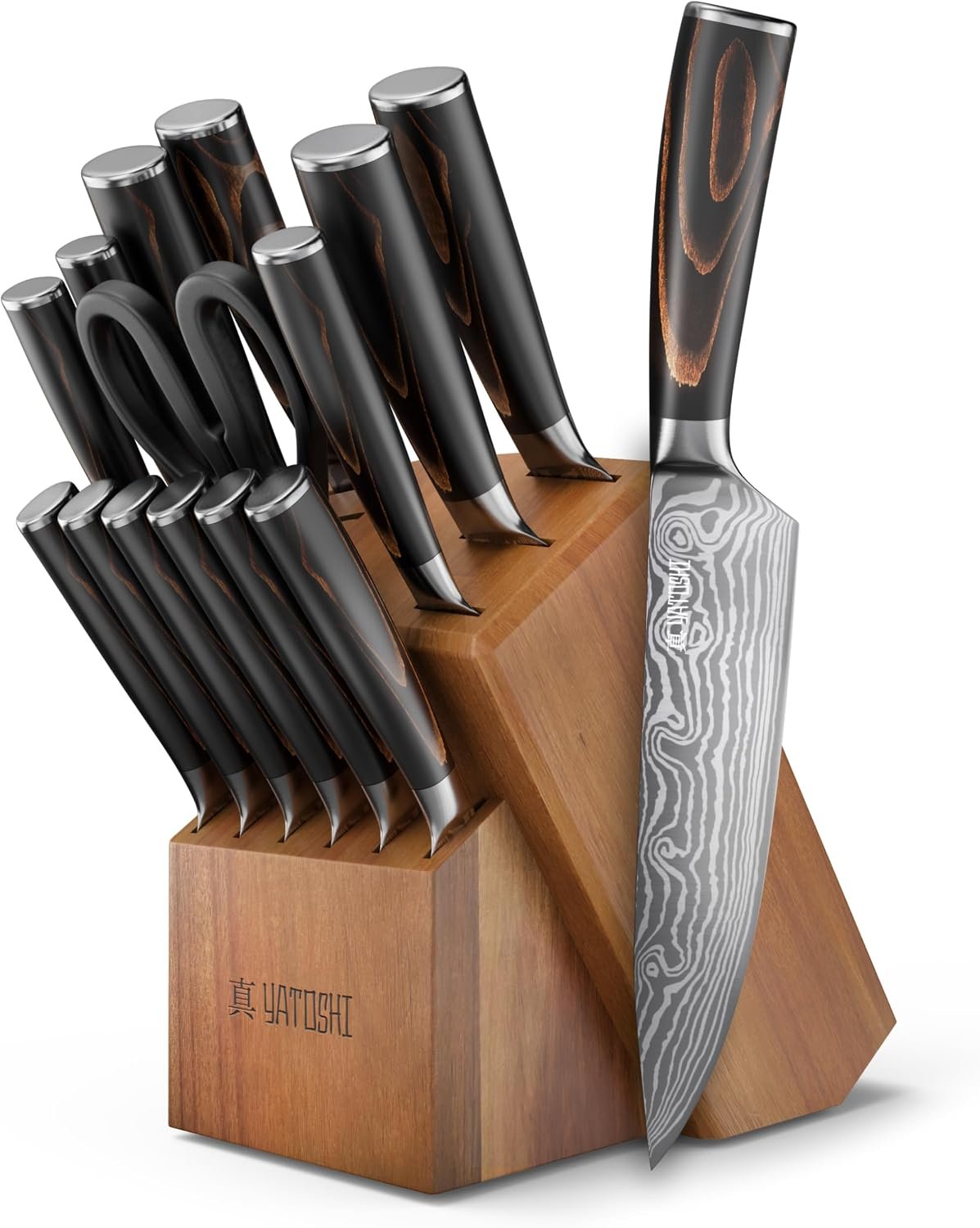
Knives
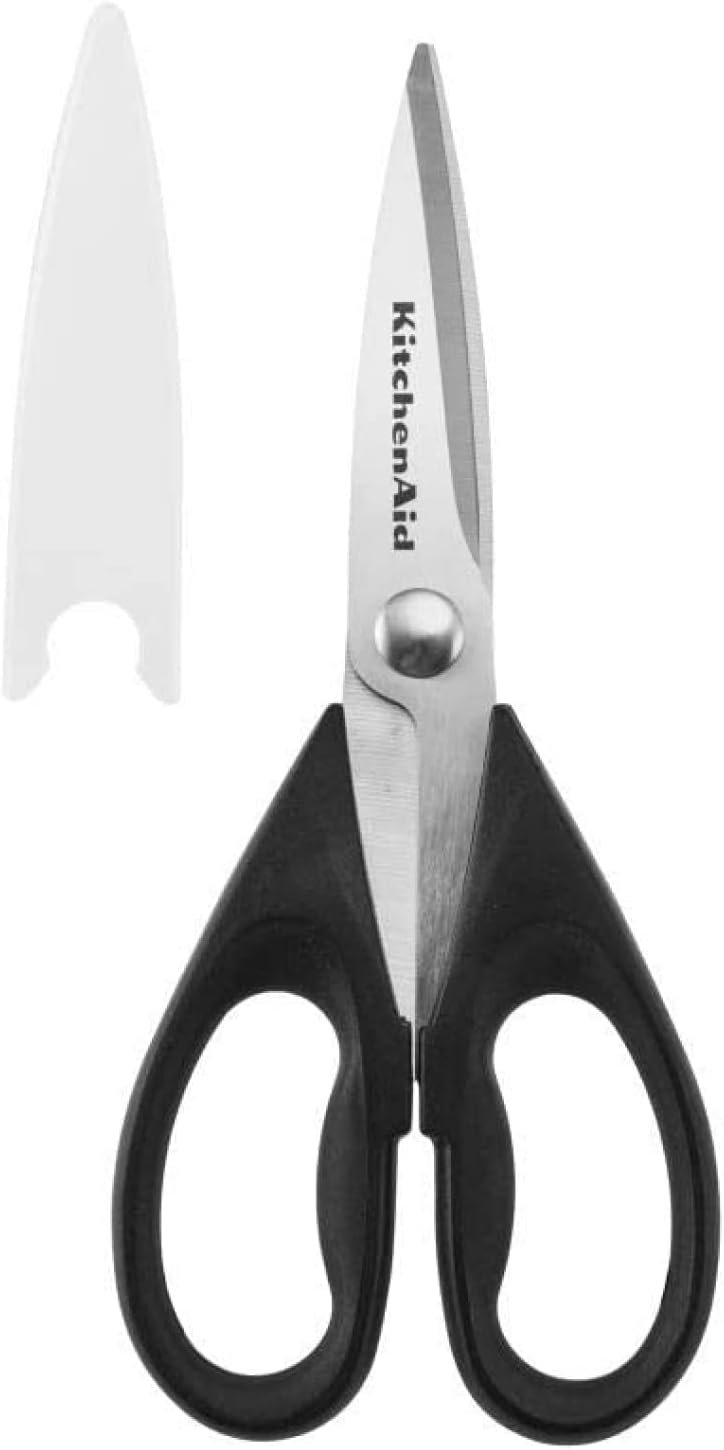
Scissors
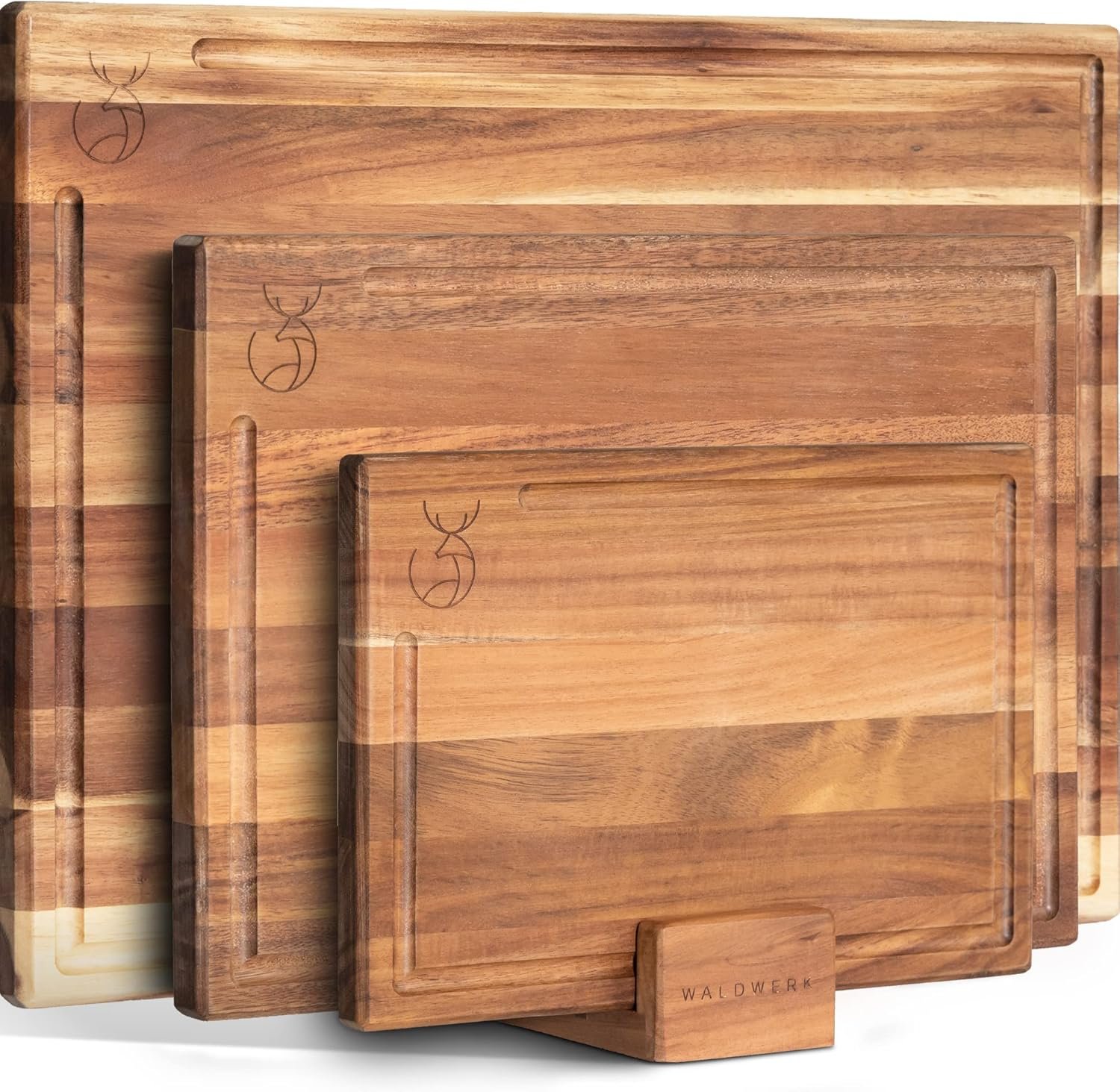
Cutting Boards
Questions, Answered
Most water stones work best when soaked for about 10 to 15 minutes, until air bubbles stop rising from the surface. A stone that stays wet during use cuts smoothly and doesn’t clog. If the surface starts to dry out mid-session, a splash of water is enough to keep it working properly. Soaking should not go on for hours or days, since that can weaken the stone.
Around 15 to 20 degrees works for most kitchen knives, with the lower end suiting thinner Japanese-style blades. Holding that angle steady matters more than the exact number. A folded coin or a small angle guide can help while the motion is still being learned.
A quick rinse and a soft brush remove leftover slurry and metal particles. It should then air dry completely in a spot with good airflow before being put away. Sealing it while damp can cause mildew, and leaving it in a freezing place risks cracks from trapped moisture.
A coarse grit around 1000 is the usual starting point for a dull or slightly damaged edge. A medium-to-fine grit between 3000 and 6000 refines the edge afterward, and 8000 or higher gives a polished finish. Many people use a combination stone with a coarse side and a fine side, which covers most routine work.
It suits most steel kitchen knives, chisels, and plane blades. Ceramic knives are too hard for it and need a diamond abrasive instead. Serrated blades and very hard specialty steels may also call for different tools, so checking the maker’s guidance for those is worthwhile.
Regular use wears a shallow dip into the surface, and a dipped surface can round the edge instead of keeping it straight. A flattening plate or a coarse diamond plate rubbed across the surface with a little water brings it back to level. Checking flatness every few sessions keeps the results consistent.